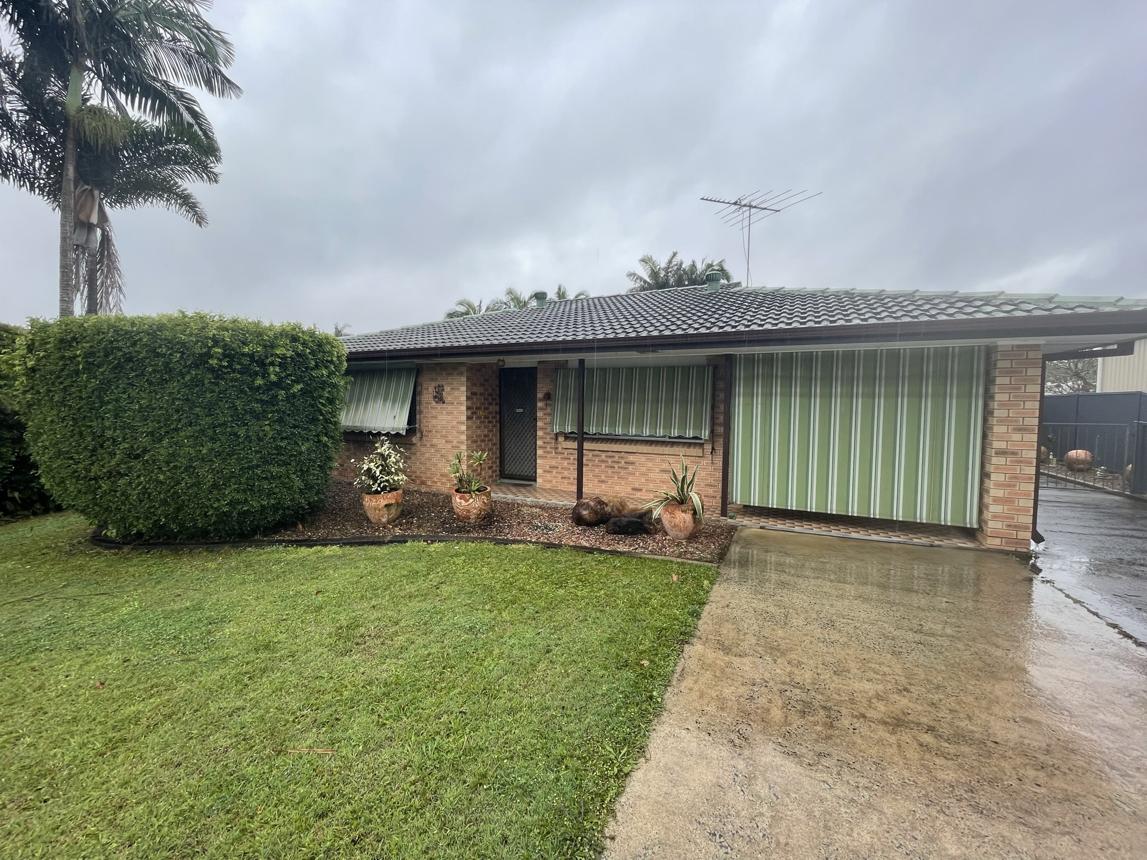
Why Does an RCD Safety Switch Trip When It Rains in a Cronulla Home?
Some safety switches only play up in the wet. The sun’s out, everything’s fine.
Matt Farrell Electrical – Electrician Bundaberg
A functioning safety switch is a must-have for every home. It’s like a superhero, protecting your family and property from electrical dangers. But how do you know if your safety switch is up to snuff?
Read on this blog and find out the 5 key signs that it’s time to install or upgrade your safety switch.
If your house was built before the early ’90s, there’s a good chance it doesn’t have a safety switch installed. Back in the day, these switches weren’t really a thing, and homes typically just use circuit breakers when they trip for protection. But those older setups don’t provide the same safety as modern switches do. Not having one can put you at risk for electrical fires, especially if your wiring or appliances aren’t up to snuff. If your place is over 30 years old and you haven’t updated the electrical system, it’s smart to call in a licensed electrician to see if you need a safety switch.
Tip: Not sure if you’ve got a safety switch in your home? Just check your switchboard; a safety switch usually has a label with a ‘T’ or the word ‘Test’ on it.
If your electricity keeps tripping, this could be a sign that the current safety switch is unable to provide power or power point stopped working within your electrical current or, far worst, that you have no safety switch to begin with. Frequent tripping happens when your safety switch detects a fault in your electrical system, which could be caused by:
Although you are happy that your safety switch is serving its purpose by disconnecting power, it is not normal to trip frequently. It may means that it is high time to replace the switchboard, or your current safety switch is not sufficient to handle the load.
Tip: In case your safety switch features trip frequently, turn off all connected devices and then reset the switch.
New electrical appliances or new home added mean more workload for the electrical system especially in the case of remodeling. New high amperage kitchen appliances, or additional rooms; your current safety switch is inadequate to handle the load. In these circumstances it is important that you upgrade the safety switch so that it can handle the additional load and effectively safeguard your home. Additional circuits without an appropriate safety switch helps to cause fires plus electrical failures.
Common Home Renovations That May Require a Safety Switch Upgrade
| Renovation/Addition | Reason for Upgrade |
| New kitchen appliances | Increased electrical load from ovens, fridges, etc. |
| Home extension or new rooms | More circuits added, increasing electrical demand |
| Outdoor lighting or pool pumps | Adds strain to existing circuits and requires extra protection |